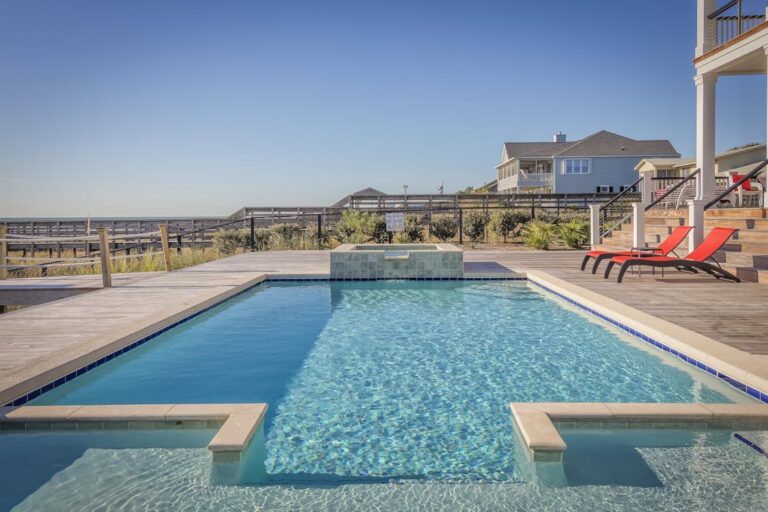
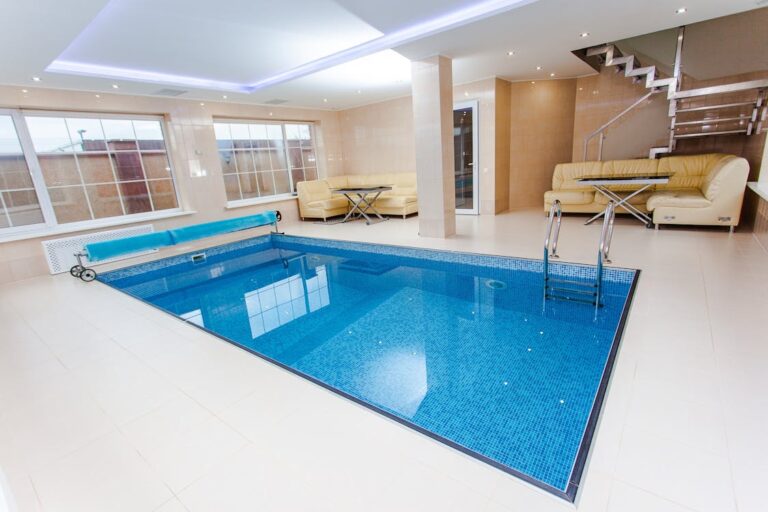
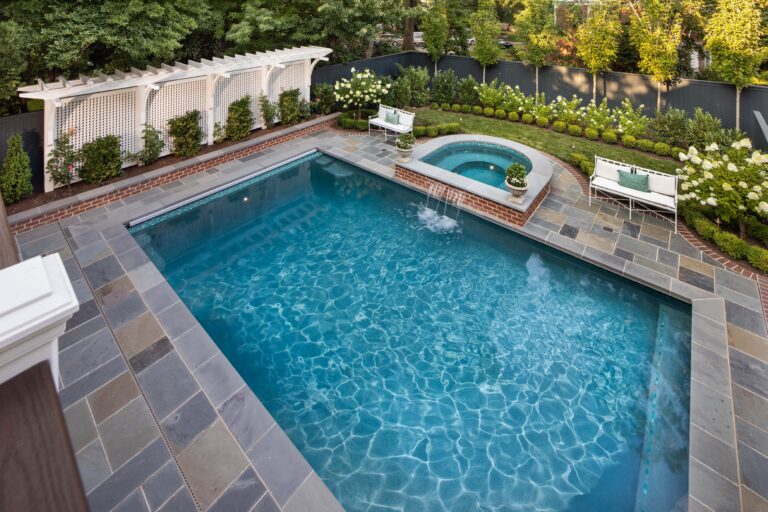
The fiberglass vs concrete pools debate is one every homeowner faces when planning a backyard pool project. Both options have loyal fans, but the honest truth is that they’re very different in terms of cost, maintenance, durability, and long-term value. In this detailed fiberglass vs concrete pools comparison, we lay out the real numbers, real trade-offs, and help you make the smartest choice for your family and budget in 2026.
- Installation Speed: Fiberglass pools install in 2-4 weeks. Concrete pools take 3-6 months. In northern climates, this often means the difference between swimming this summer and waiting until next year.
- 10-Year Maintenance Savings: Fiberglass saves $15,000-$30,000 over a decade compared to concrete, thanks to lower chemical use, no resurfacing, and less ongoing repair.
- Upfront Costs Are Comparable: A medium fiberglass pool runs $50,000-$70,000. A comparable concrete pool costs $55,000-$80,000. The real difference emerges in total cost of ownership.
- Concrete Wins on Custom Shapes: If you need a 50-foot vanishing edge pool with multiple water levels and a completely unique shape, concrete is the only option. For 95% of homeowners, fiberglass models cover every need.
- Durability in Every Climate: Fiberglass flexes with freeze-thaw cycles instead of cracking. Concrete fights the ground and often loses, requiring expensive structural repairs in northern states.
- Comfort Is Not Even Close: Fiberglass gelcoat is glass-smooth and gentle on skin. Concrete plaster is rough, abrasive, and gets rougher as it ages.
The Core Fiberglass vs Concrete Pools Difference
At the most fundamental level, fiberglass and concrete pools are built in completely different ways, and that difference shapes everything that follows: cost, timeline, maintenance, durability, and daily living.
A fiberglass pool is manufactured in a controlled factory environment. Multiple layers of hand-laid fiberglass and resin create a one-piece shell that is then finished with a smooth, colored gelcoat surface. The finished shell is transported to your property and lowered into a prepared excavation. The pool arrives ready to install.
A concrete pool (also called gunite or shotcrete) is built entirely on-site. A steel rebar framework is constructed inside the excavation, then concrete is sprayed over the rebar to create the pool’s structure. After weeks of curing, the surface is finished with plaster, pebble, or tile. Every concrete pool is a one-off construction project.
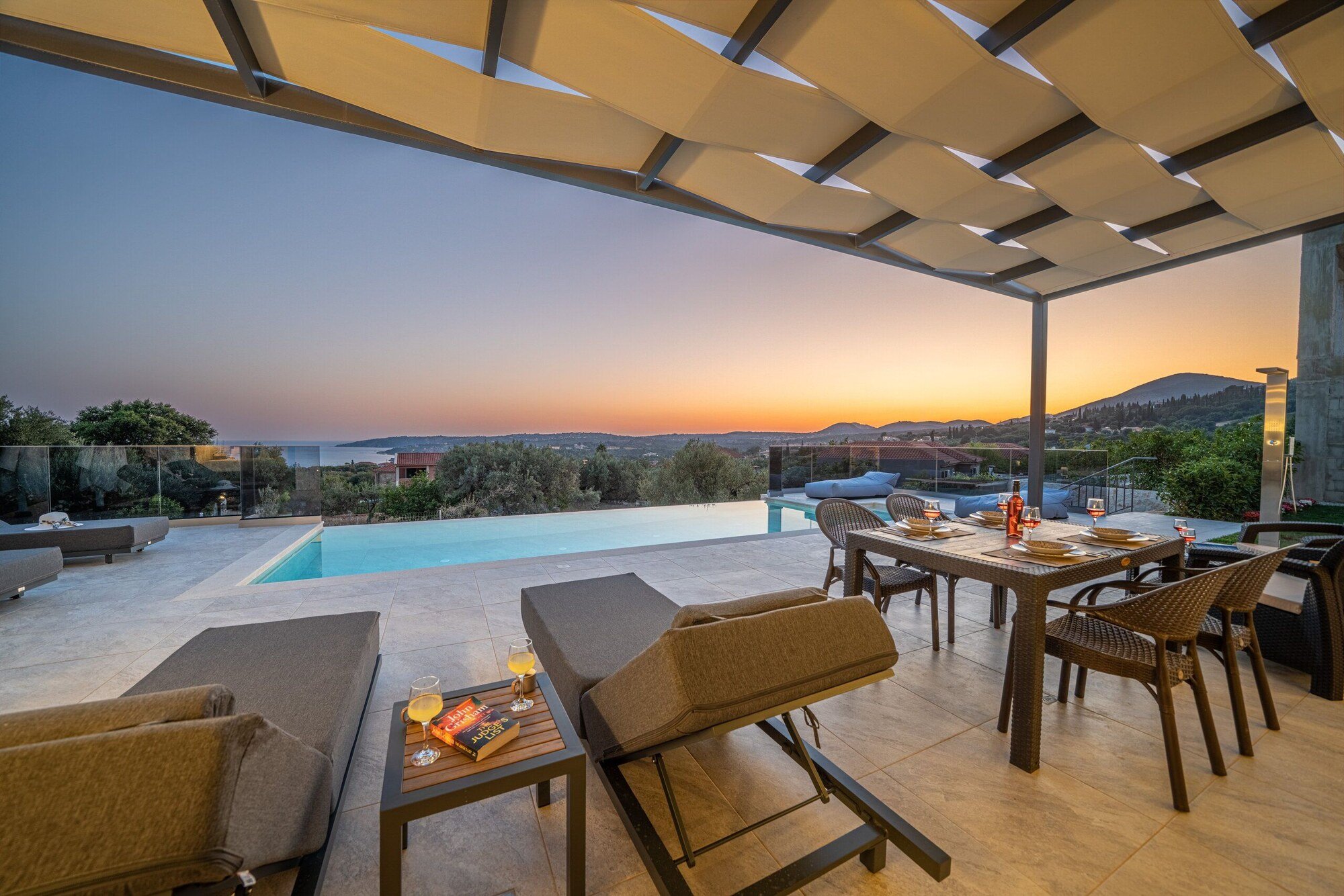
The factory-controlled manufacturing process gives fiberglass a consistency advantage. Every shell is built to exact specifications under controlled conditions. Concrete quality varies dramatically depending on the skill of the crew, weather during construction, curing conditions, and dozens of other variables that are impossible to fully control on a jobsite.
Installation Timeline Comparison
The timeline difference between fiberglass and concrete is dramatic, and for many homeowners, it is the deciding factor.
| Phase | Fiberglass | Concrete |
|---|---|---|
| Permits | 1-4 weeks | 1-4 weeks |
| Excavation | 1-2 days | 2-5 days |
| Shell/Structure | 1 day (set by crane) | 2-4 weeks (rebar + shotcrete + curing) |
| Plumbing & Electrical | 3-5 days | 1-2 weeks |
| Surface Finishing | N/A (factory finished) | 1-3 weeks (plaster/pebble/tile) |
| Decking & Landscaping | 1-2 weeks | 2-4 weeks |
| Fill & Startup | 1-2 days | 1-2 weeks (plaster cure + fill) |
| Total | 2-4 weeks | 3-6 months |
In seasonal markets like Chicago, Boston, Minneapolis, Detroit, Cleveland, and Denver, the compressed fiberglass timeline is often the difference between swimming this summer and waiting until next year. Your backyard is also torn up for weeks instead of months, which matters enormously to families living in the home during construction.
Key Takeaway: A concrete pool turns your backyard into an active construction zone for 3-6 months. A fiberglass pool is installed and ready to swim in 2-4 weeks. For families with children and pets, the reduced disruption is significant.
Upfront Cost Comparison
Initial costs for fiberglass and concrete pools are closer than most people expect. In many markets, they are nearly identical for comparable sizes.
| Pool Size | Fiberglass (Installed) | Concrete (Installed) |
|---|---|---|
| Small (10×20 to 12×24) | $40,000 – $55,000 | $45,000 – $60,000 |
| Medium (12×24 to 14×30) | $50,000 – $70,000 | $55,000 – $80,000 |
| Large (14×30 to 16×40) | $60,000 – $85,000 | $70,000 – $120,000 |
Regional variation is significant. In the Southeast (Tennessee, Georgia, Carolinas, Alabama), both pool types trend toward the lower end. In the Northeast and Pacific West (New York, New Jersey, California), costs push higher due to labor rates, permitting complexity, and access challenges.
One important note: concrete pool costs are less predictable. Change orders, weather delays, soil surprises, and crew scheduling issues can push a concrete project 10-30% over the original estimate. Fiberglass pricing is more reliable because the manufactured shell has a fixed cost, and the installation process is shorter and more predictable.
The 10-Year Cost of Ownership
This is where the fiberglass advantage becomes impossible to ignore. Upfront costs tell only part of the story. The real comparison emerges over a decade of ownership.
| Cost Category | Fiberglass (10 Years) | Concrete (10 Years) |
|---|---|---|
| Initial pool installation | $55,000 | $65,000 |
| Annual chemicals (x10) | $3,000 | $9,000 |
| Annual energy (x10) | $4,500 | $6,000 |
| Acid wash (2 times) | $0 | $1,200 |
| Replastering (1 time) | $0 | $12,000 |
| Repairs and maintenance | $1,500 | $5,000 |
| 10-Year Total | $64,000 | $98,200 |
| Savings with Fiberglass | $34,200 over 10 years | |
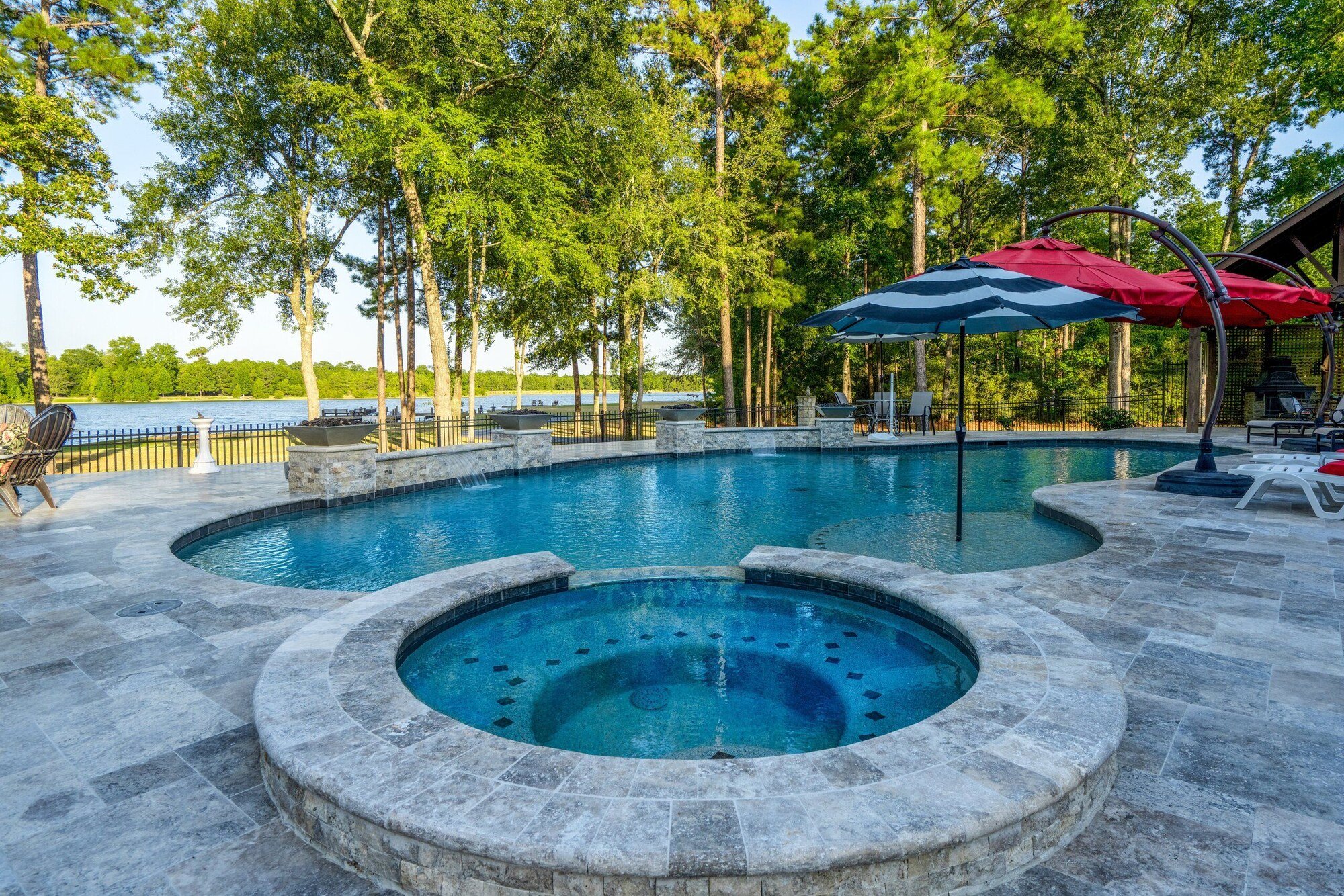
The $34,000 savings over 10 years is conservative. In hot climates where pools run year-round, the chemical and energy savings are even greater. And at year 15, the concrete pool owner faces another $12,000-$25,000 replastering bill while the fiberglass owner continues enjoying the same smooth, beautiful finish that was installed on day one.
Maintenance Comparison
The day-to-day maintenance experience differs significantly between the two pool types.
Fiberglass weekly maintenance takes 15-30 minutes: a quick brush, skim, chemical test, and adjustment. The smooth gelcoat surface does not harbor algae, so there is nothing to scrub. Chemical adjustments are typically minor because the gelcoat does not interact with the water chemistry the way concrete plaster does.
Concrete weekly maintenance takes 1-2 hours minimum. The porous plaster surface must be brushed vigorously to prevent algae from embedding in the surface. Chemical usage is significantly higher because plaster leaches calcium into the water, constantly shifting the chemistry. Concrete pool owners battle algae blooms that fiberglass owners simply never experience.
Monthly and annual tasks are similarly different. Concrete pools need acid washing every 3-5 years ($400-$800) to remove staining and mineral deposits from the plaster surface. Fiberglass pools never need acid washing. Concrete pools need replastering every 10-15 years ($10,000-$25,000). Fiberglass pools never need resurfacing.
Durability and Lifespan
Both pool types can last a very long time, but they age in very different ways.
Fiberglass pools have a structural lifespan of 25-50+ years. The one-piece shell is inherently flexible, meaning it moves with the ground rather than fighting it. This flexibility makes fiberglass especially well-suited for regions with freeze-thaw cycles (Northeast, Midwest, Mountain states) and expansive clay soils (Texas, parts of the Southeast). The gelcoat surface can be refinished if desired after 20-30 years, but many owners never need to.
Concrete pools can last 50+ years structurally, but the surface has a much shorter life. Plaster finishes last 10-15 years before they need replacement. Pebble finishes last 15-20 years. Tile surfaces last the longest but are the most expensive. The rigid concrete structure can crack when subjected to freeze-thaw cycles or soil movement, and structural repairs are costly ($5,000-$20,000+).
Climate Performance
In warm, stable climates like Florida, Southern California, and Arizona, concrete performs reasonably well structurally. The freeze-thaw issue does not apply, and stable soils reduce the cracking risk.
In seasonal climates across Ohio, Michigan, Pennsylvania, New York, Wisconsin, Minnesota, Colorado, and the rest of the northern tier, fiberglass has a clear durability advantage. The flexible shell absorbs ground movement that would crack concrete. This is one of the primary reasons fiberglass has gained so much market share in northern states over the past decade.
Design and Customization
This is the one area where concrete holds an objective advantage, and being honest about it matters.
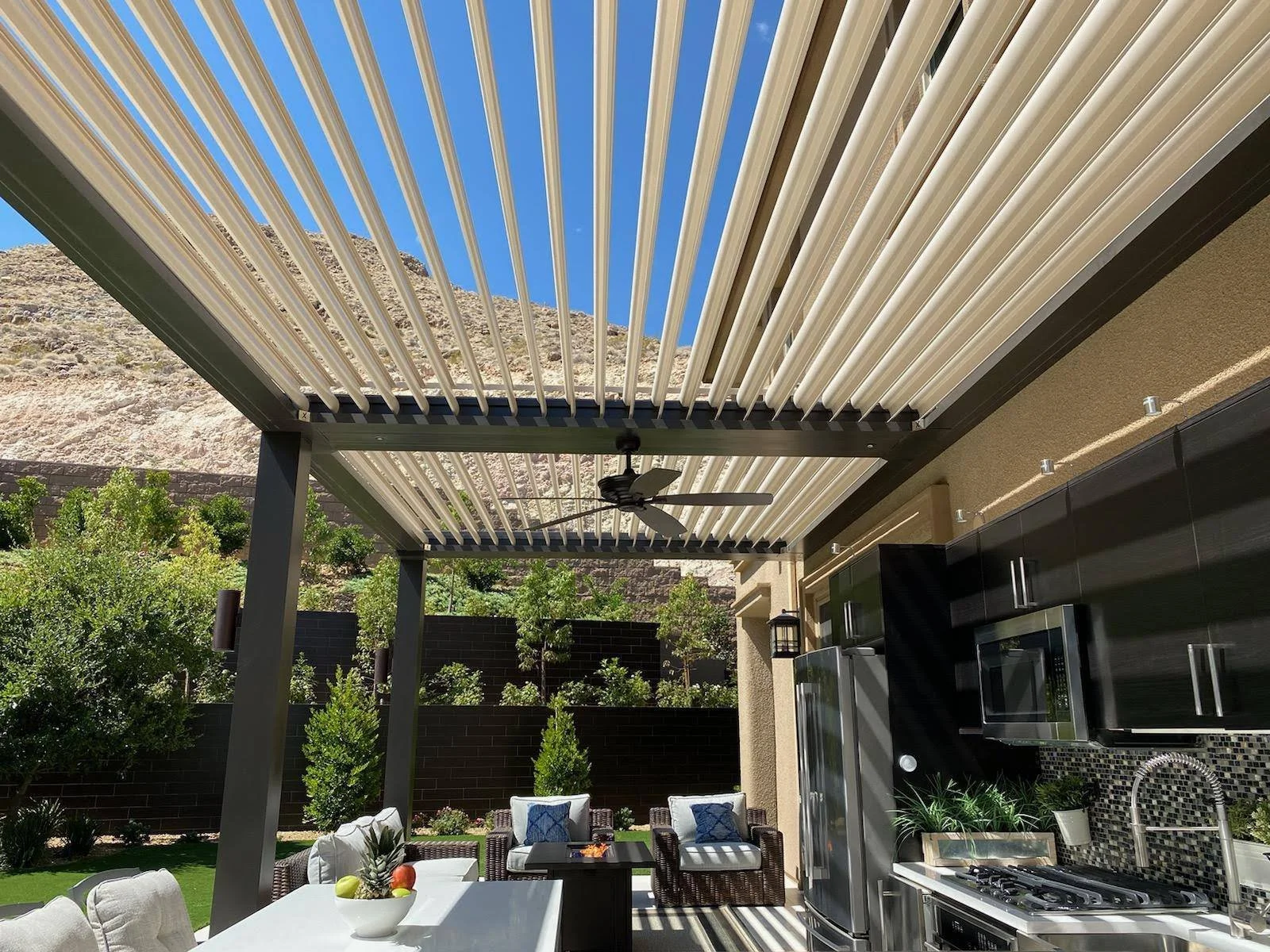
Concrete pools can be built in any shape, any size, any depth, with any feature. A 60-foot vanishing edge pool with a 20-person spa, a swim-up bar, a grotto, and multiple water levels? Only concrete can do that. Concrete is the choice for truly bespoke, architecturally significant pool designs.
Fiberglass pools come in pre-manufactured models. However, the range of available designs has expanded dramatically. Modern fiberglass manufacturers offer models ranging from compact plunge pools to 40-foot resort-style designs, with built-in tanning ledges, bench seating, beach entries, integrated spas, and multiple depth configurations. For the vast majority of homeowners, there is a fiberglass model that fits their yard, their vision, and their lifestyle perfectly.
Modern Fiberglass Design Options
Today’s fiberglass pools include features that were exclusively concrete territory just a decade ago:
- Deep tanning ledges with umbrella sleeves
- Built-in bench seating throughout
- Beach-style gradual entries
- Attached spa sections with spillover
- Multiple depth zones within one pool
- 8+ premium gelcoat color options
- LED lighting integration
- Water feature compatibility (sheer descents, bubblers, deck jets)
The trade-off is clear: concrete offers unlimited customization but at significantly higher cost, longer timelines, and greater maintenance burden. Fiberglass offers excellent design options for most homeowners while delivering on speed, low maintenance, and long-term value.
Comfort and Surface Quality
The daily swimming experience is where fiberglass truly shines, and it is an advantage that matters every single time you use your pool.
Fiberglass gelcoat is glass-smooth. Children play for hours without scraping their feet, knees, or toes. Swimsuits glide along the surface without snagging. The feeling against skin is genuinely luxurious.
Concrete plaster is rough and abrasive from the moment it is installed, and it gets rougher as it ages. “Pool toe” (abraded toes from pushing off a concrete wall) is a universal experience among concrete pool owners. The rough surface also creates a textured environment where algae find excellent purchase, contributing to the maintenance difference.
Pebble finishes on concrete pools are smoother than plaster but still significantly rougher than gelcoat. Tile finishes are smooth but extremely expensive (often doubling the surface cost) and still require grout maintenance.
Resale Value Impact
Both fiberglass and concrete pools add value to a home, but the fiberglass advantage extends to real estate as well.
In warm-weather states, a well-designed pool typically adds 5-8% to home value regardless of type. In seasonal markets, the increase runs 2-4%. However, home buyers are increasingly aware of the maintenance differences between pool types. A fiberglass pool is perceived as a lower-maintenance, move-in-ready amenity, while a concrete pool raises questions about surface condition, upcoming replastering costs, and maintenance burden.
Real estate agents in pool-heavy markets like Phoenix, Nashville, Dallas, Tampa, Charlotte, and Atlanta report that fiberglass pools are increasingly viewed favorably by buyers who recognize the long-term cost advantages.
Fiberglass vs Concrete Pools: Which Is Right for You?
| Factor | Choose Fiberglass If… | Choose Concrete If… |
|---|---|---|
| Timeline | You want to swim this summer | You can wait 3-6 months |
| Budget | You want lower total cost of ownership | Upfront cost is no concern |
| Maintenance | You prefer minimal upkeep | You have a pool service or enjoy maintenance |
| Design | Standard shapes and sizes work for you | You need a fully custom, one-of-a-kind design |
| Climate | You live in a freeze-thaw zone | You live in a warm, stable climate |
| Comfort | Smooth surface matters to you | Surface texture is not a concern |
| Longevity | You want decades without resurfacing | You accept periodic replastering costs |
Why ModernXPools Recommends Fiberglass
We respect concrete pools. They have their place, particularly for truly custom, architecturally significant projects. But for the vast majority of American homeowners, fiberglass delivers a better experience across every metric that matters in daily life: faster installation, lower maintenance, superior comfort, better long-term value, and reliable performance in every climate zone.
ModernXPools offers 14 premium fiberglass pool models that cover virtually every design need, from compact plunge pools to expansive resort-style designs. Combined with our pool enhancements, outdoor living services, and flexible financing, we make premium fiberglass pool ownership accessible and enjoyable.
Contact ModernXPools today for a free consultation and see why fiberglass is the smarter choice for your family.