▼ Key Takeaways
- Fastest Pool Installation in America: Fiberglass pools install in 2-4 weeks versus 3-6 months for concrete. The pre-manufactured shell arrives ready to set, meaning less disruption and a faster path to swimming.
- Built for Every Climate: From Arizona heat to Minnesota freeze-thaw cycles, fiberglass flexes with the ground instead of cracking. It performs reliably in all six American climate zones covered in this guide.
- 50-70% Lower Chemical Costs: The non-porous gelcoat surface resists algae at the molecular level, dramatically reducing chemical usage and eliminating the expensive resurfacing that concrete pools require every 10-15 years.
- Real Cost Data by Region: Pool-only costs range from $45,000 in the Southeast to $90,000 in the Pacific West. Complete outdoor living packages run $80,000-$200,000 depending on your market.
- Nationwide Coverage: This guide covers pool considerations for 100+ cities across all 50 states, from permit requirements and design trends to climate-specific features and maintenance schedules.
- Save 15-25% With Smart Planning: Homeowners who plan their complete outdoor living environment from the start save significantly compared to phased construction.
Why Fiberglass Is Dominating the American Pool Industry
Something remarkable has happened in the pool industry over the last decade. Fiberglass pools, once considered a niche alternative to concrete and vinyl liner construction, have become the preferred choice for homeowners from coast to coast. The reasons are straightforward, and once you understand them, it is easy to see why builders in every major market are fielding more fiberglass inquiries than ever before.
Speed of Installation
The single biggest advantage fiberglass holds over concrete is time. A fiberglass pool shell arrives at your property pre-manufactured, engineered to precise specifications in a controlled factory environment. From the day excavation begins, most homeowners are swimming in 2-4 weeks. Compare that to concrete pools, which routinely take 3-6 months and sometimes longer when weather or inspection delays intervene.
For families in Chicago, Boston, Minneapolis, and Denver where the building season is already compressed by cold winters, that difference is enormous. It can mean swimming this summer instead of waiting until next year.
Lower Lifetime Maintenance
Fiberglass pools feature a non-porous gelcoat surface that resists algae growth at the molecular level. The practical result is dramatic:
- 50-70% fewer chemicals over the life of the pool
- No acid washing every 3-5 years
- No replastering every 10-15 years
- No liner replacements
- $10,000-$30,000 saved compared to concrete over the pool’s lifetime
Durability Across Climates
Fiberglass is an inherently flexible material. When the ground freezes and thaws through a northern winter, a fiberglass shell flexes with the soil movement rather than cracking the way concrete can. This makes fiberglass ideal for homeowners in Ohio, Michigan, Wisconsin, Minnesota, New York, and Pennsylvania where freeze-thaw cycles are a fact of life. In the opposite extreme, fiberglass handles the expansive clay soils common across Texas and the Southeast without the structural stress that plagues rigid concrete shells.
Comfort and Resale Value
The gelcoat finish is glass-smooth, gentle on feet, easy on swimsuits, and comfortable against skin. Children can play for hours without the abrasions that rough concrete surfaces cause.
A well-designed pool adds meaningful value to a home. In warm-weather states, homeowners typically see a 5-8% increase in property value. In seasonal markets across the Northeast and Midwest, the increase runs 2-4%.
Key Takeaway: Fiberglass pools install in weeks instead of months, cost significantly less to maintain over time, and perform reliably in every American climate zone. For most homeowners, fiberglass is the smartest long-term investment.
Climate Zones and What They Mean for Your Pool
The United States spans an extraordinary range of climates, and where you live shapes virtually every decision about your pool. Understanding your climate zone is the first step toward making smart choices.
Hot and Arid: Year-Round Pool Season
States: Arizona, Nevada, New Mexico, West Texas, Southern California, Southern Utah
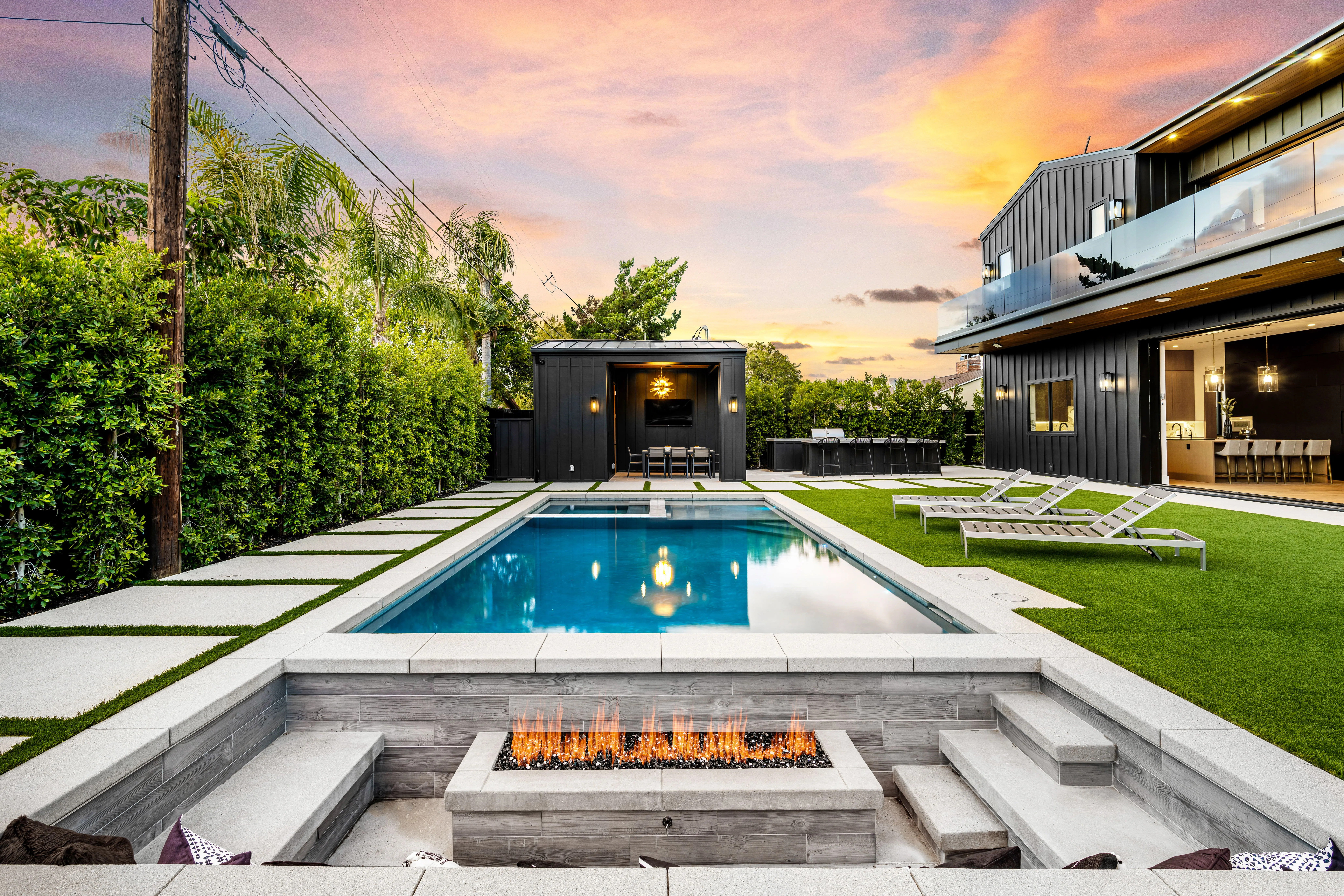
Across this region, pool season never really ends. Homeowners in Phoenix, Scottsdale, Tucson, Mesa, Chandler, and Gilbert swim comfortably from March through November, and many use their pools year-round with minimal heating. The same holds true in Las Vegas, Henderson, Palm Springs, San Diego, El Paso, Albuquerque, Santa Fe, and St. George.
The desert environment does present unique considerations. Intense UV exposure means color selection matters. Darker pool finishes absorb more heat, which can make water uncomfortably warm in peak summer. Water evaporation runs 3-5x higher than in humid climates. A quality automatic cover alone reduces evaporation by up to 95%.
Desert modern design has become the signature aesthetic of the Southwest. Homeowners gravitate toward geometric pool shapes with clean lines, natural stone decking, integrated fire features, and drought-tolerant landscaping.
Recommended features:
- Variable speed pumps for energy efficiency
- Automatic covers to reduce evaporation
- Misting systems for poolside comfort
- Deep tanning ledges with umbrella sleeves
- Cool deck coatings for barefoot comfort in 110+ heat
Humid Subtropical: 8-10 Month Pool Season
States: Florida, Georgia, South Carolina, Louisiana, Alabama, Mississippi, East Texas, Coastal North Carolina
Miami, Tampa, Orlando, Jacksonville, Fort Lauderdale, West Palm Beach, Naples, and Sarasota anchor the Florida market, where pools are practically a standard home feature. Atlanta, Savannah, Charleston, Myrtle Beach, New Orleans, and Baton Rouge have seen explosive growth in pool construction. Across Texas, Houston, Austin, San Antonio, and Dallas lead the way. Birmingham, Mobile, Charlotte, Raleigh, and Wilmington round out a region where outdoor living is deeply embedded in the culture.
The combination of high humidity and warm temperatures creates ideal conditions for algae growth, which is precisely where fiberglass shines. Resort-style design dominates this region: freeform pool shapes, walk-in beach entries, attached spas, rock waterfalls, swim-up bars, and elaborate water features. In Florida, screen enclosures are virtually mandatory.
Recommended features:
- Saltwater chlorination systems
- Robotic cleaners for debris management
- LED color lighting for evening entertainment
- Tanning ledges and bubblers
- Hurricane tie-downs in coastal zones
Humid Continental: 5-7 Month Pool Season
States: Tennessee, Kentucky, Virginia, Maryland, Southern Ohio, Southern Indiana, Missouri, Kansas, Oklahoma, Arkansas, West Virginia, Delaware
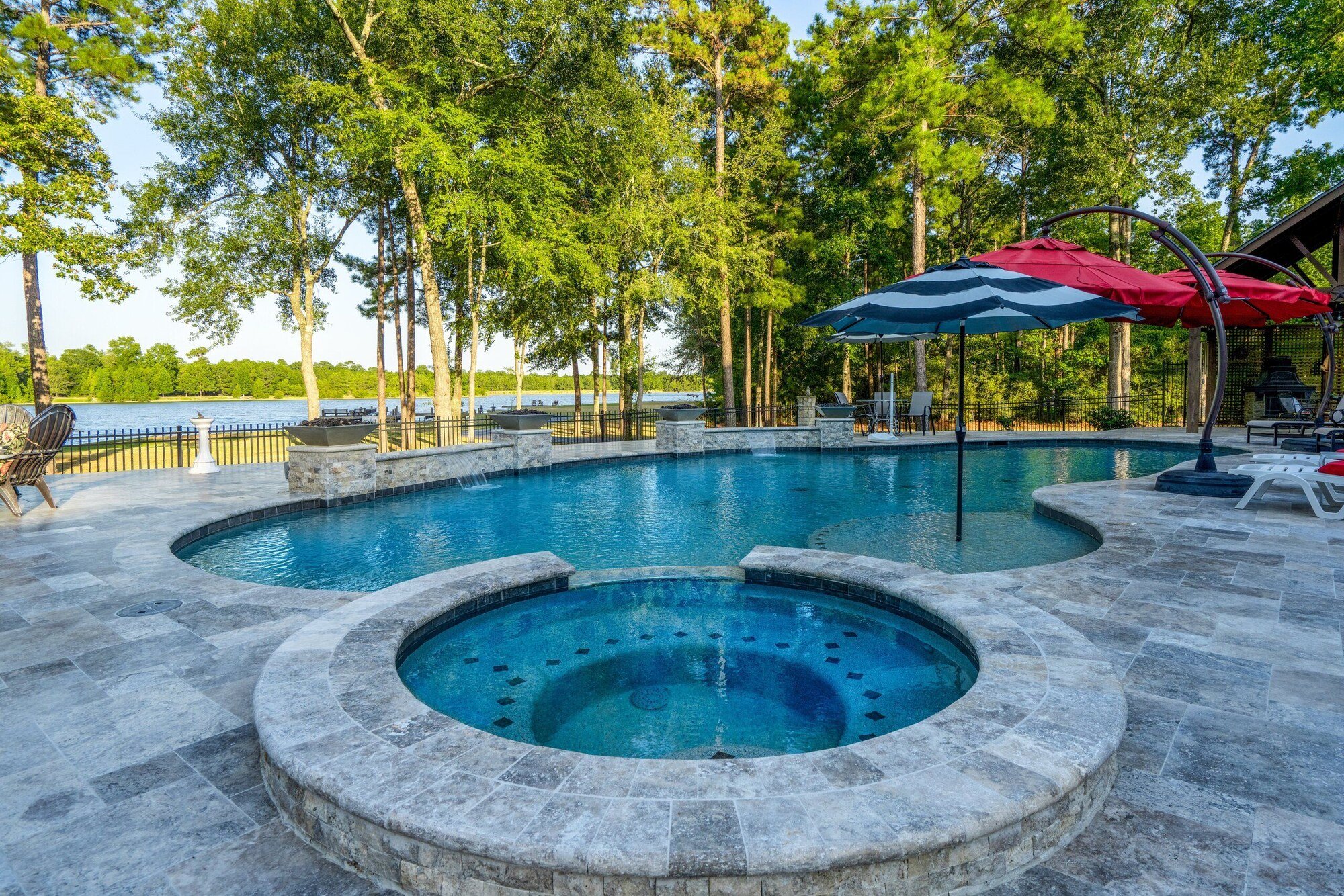
Nashville, Knoxville, Memphis, Louisville, Lexington, Richmond, Virginia Beach, Baltimore, and Annapolis have become hotbeds of pool construction. Cincinnati, Columbus, Indianapolis, St. Louis, Kansas City, Oklahoma City, Tulsa, and Little Rock are equally active markets. The growing suburbs around Nashville, including Franklin, Brentwood, and Clarksville, have seen particularly strong demand.
Proper winterization is essential in this zone, and fiberglass handles the freeze-thaw cycle with an ease that gives homeowners genuine peace of mind. The flexible shell moves with the ground rather than fighting it.
The design trend centers on complete outdoor living packages. Homeowners are not just building pools; they are creating backyard resorts with integrated spas, full outdoor kitchens, fire pits, and covered pergolas. Nashville and Charlotte in particular have emerged as leaders in the “resort backyard” movement.
Recommended features:
- Heat pumps or gas heaters to extend the season
- Automatic safety covers (doubles as winter cover)
- Integrated spa for off-season use
- Full automation for easy opening and closing
- LED lighting to extend evening swim time
Northern and Cold Climates: 4-5 Month Pool Season
States: Michigan, Wisconsin, Minnesota, Illinois, Iowa, Northern Ohio, Northern Indiana, Nebraska, the Dakotas, New York, Pennsylvania, New Jersey, Connecticut, Massachusetts, Rhode Island, New Hampshire, Vermont, Maine
A shorter season does not mean less enthusiasm. Chicago, Detroit, Milwaukee, Minneapolis, Cleveland, Pittsburgh, and Buffalo anchor the Midwest and Great Lakes pool markets. In the Northeast, Boston, New York City, Philadelphia, Hartford, Providence, Manchester, Burlington, and Portland lead the way. Grand Rapids, Ann Arbor, Madison, Des Moines, and Omaha represent strong secondary markets.
The affluent suburbs of Long Island, Westchester, The Hamptons, Greenwich, and Princeton have long been premier pool markets where quality and design take precedence over budget.
The compressed building season makes fiberglass the obvious choice here. When you have a narrow window between frozen ground and peak summer, the 2-4 week fiberglass timeline versus 3-6 months for concrete is often the difference between swimming this year and waiting until next.
In the Northeast, particularly in The Hamptons, Connecticut’s Gold Coast, and Westchester County, classic rectangular pools with formal landscaping and elegant pool houses remain the gold standard.
Recommended features:
- High-efficiency heaters
- Automatic safety covers
- Attached spas for year-round use
- Full automation systems
- Consider pool enclosures for truly year-round swimming
Mountain and High Altitude: Variable Season
States: Colorado, Utah, Montana, Wyoming, Idaho, Northern Arizona, Northern New Mexico
Denver, Boulder, Colorado Springs, and Fort Collins represent Colorado’s active Front Range pool market. Salt Lake City and Park City serve Utah’s growing demand. Boise has emerged as one of the fastest-growing pool markets in the Mountain West. Billings, Jackson Hole, Flagstaff, Sedona, Taos, and Santa Fe each have distinct local conditions. The resort communities of Aspen, Vail, Telluride, and Sun Valley cater to homeowners who expect world-class outdoor amenities.
Altitude affects pool ownership in ways many homeowners do not initially consider:
- Water chemistry behaves differently at elevation
- UV exposure intensifies significantly, accelerating chemical consumption
- Daily temperature swings of 40+ degrees are common
- Rocky soil conditions often require specialized excavation
Design tends toward natural integration. Rock features, waterfalls, organic freeform shapes, and native plantings help pools feel like they belong in the landscape.
Pacific West: Varied Microclimates
States: California, Oregon, Washington, Hawaii
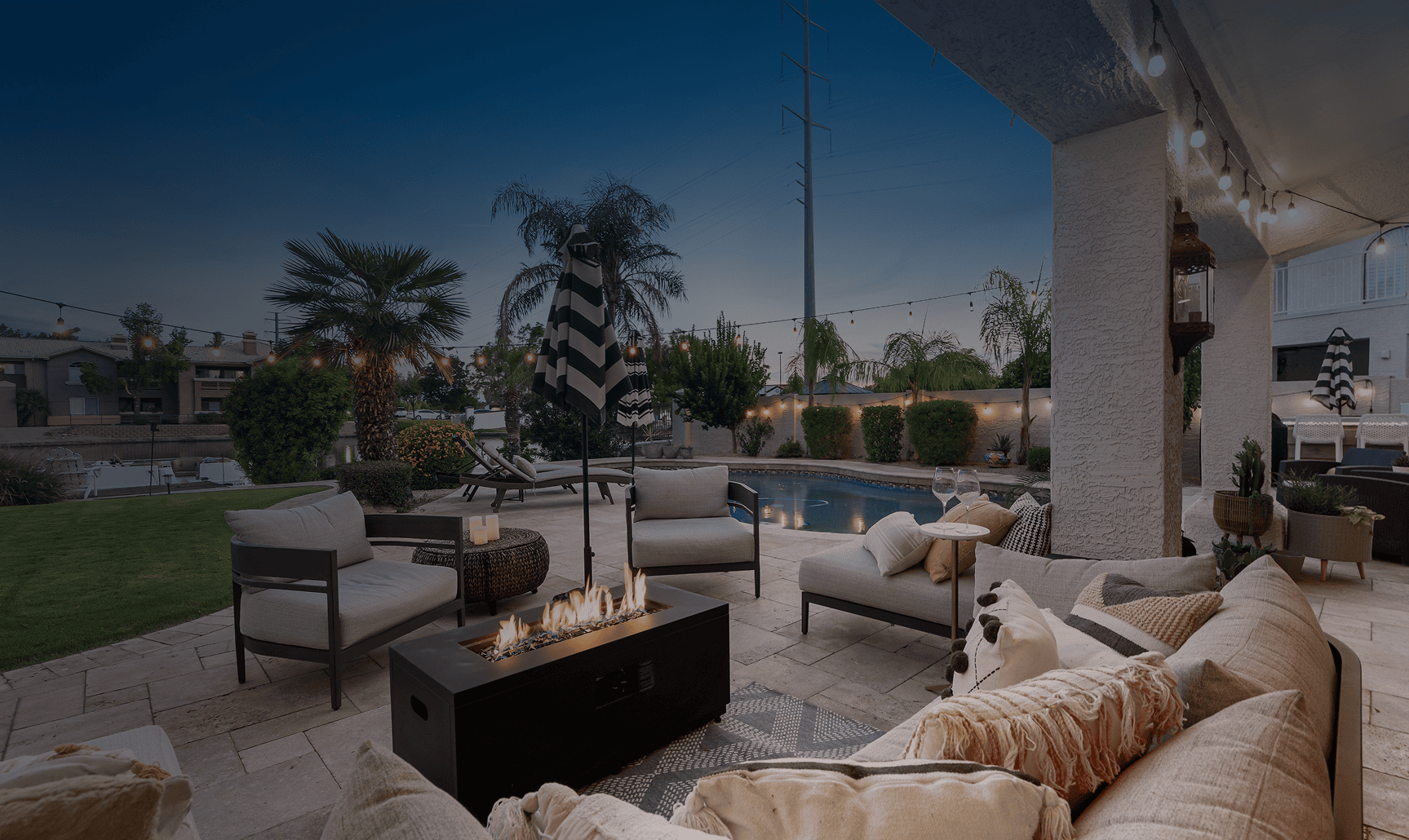
California alone spans multiple climate zones. San Diego enjoys year-round pool weather, while San Francisco homeowners need reliable heating systems. Los Angeles, San Jose, Sacramento, Fresno, Irvine, Newport Beach, Laguna Beach, Malibu, Beverly Hills, and Santa Barbara represent the enormous and diverse California market. Portland and Seattle in the Pacific Northwest have seen surprising growth in pool construction. Honolulu and Maui round out a region defined by variety.
Southern California has arguably done more to define modern pool design than any other market in the country. Geometric lines, disappearing infinity edges, seamless indoor-outdoor living, glass tile accents, and minimalist landscaping reflect the region’s design-forward culture.
Recommended features: Solar heating (especially CA), infinity edges, glass tile accents, automation systems, heat pumps for Pacific Northwest.
Pool Costs Across America
Understanding what a fiberglass pool costs requires looking beyond the sticker price. Regional factors create significant variation in total project costs.
What Affects Regional Pricing
- Labor rates vary 40-60% between regions. California, New York, and New Jersey command premium rates. Southeast states like Tennessee, Georgia, and North Carolina are significantly more competitive.
- Permit costs range from $200 in some Texas counties to $3,000+ in California jurisdictions. Timelines vary from 3 days to 12+ weeks.
- Soil conditions matter. Rock excavation in Texas Hill Country, Tennessee, and New England adds $3,000-$15,000. High water tables in Florida and coastal areas require specialized dewatering.
- Property access on tight lots in San Francisco, Boston, and Chicago sometimes requires crane sets, adding $5,000-$20,000.
Regional Cost Breakdown
“Pool Only” includes the shell, standard decking, basic equipment, and installation. “With Outdoor Living” includes upgraded decking, outdoor kitchen, fire feature, pergola, landscaping, and premium lighting.
| Region | Pool Only | With Outdoor Living |
|---|---|---|
| Southeast (TN, GA, NC, SC, FL) | $45,000 – $65,000 | $80,000 – $150,000 |
| Southwest (AZ, NV, NM, TX) | $50,000 – $70,000 | $90,000 – $160,000 |
| Midwest (OH, IN, MO, IL) | $50,000 – $70,000 | $85,000 – $155,000 |
| Northeast (NY, NJ, CT, MA, PA) | $60,000 – $85,000 | $100,000 – $180,000 |
| Mountain West (CO, UT, ID, MT) | $55,000 – $75,000 | $95,000 – $170,000 |
| Pacific West (CA, OR, WA, HI) | $60,000 – $90,000 | $110,000 – $200,000 |
Smart Money Move: Homeowners who plan their complete outdoor living environment from the start save 15-25% compared to phased construction. Shared excavation, coordinated drainage, unified electrical planning, and cohesive hardscaping all cost less when designed as a system.
Permits and Regulations by State
Understanding your local permit requirements upfront prevents costly delays and frustrating surprises.
States with Streamlined Permitting
Texas, Florida, Arizona, Tennessee, Georgia, North Carolina, South Carolina, Alabama, and Nevada generally feature faster approvals (1-3 weeks) and lower fees ($200-$800). Cities like Nashville, Charlotte, Atlanta, Phoenix, Houston, and Tampa have well-established pool permitting processes.
States with Stricter Requirements
California, New York, New Jersey, Massachusetts, Connecticut, Illinois, and Maryland typically feature longer timelines (4-12 weeks), higher fees ($1,000-$3,000+), and additional requirements such as environmental reviews and design reviews in historic districts.
Universal Requirements (All States)
- Barrier fencing: Minimum 4-5 feet with self-closing, self-latching gates
- Setbacks: Minimum distances from property lines (usually 5-10 feet)
- Electrical: Bonding, grounding, and GFCI protection per NEC
- Drainage: Pool water cannot flow onto neighboring properties
- HOA approval: If applicable, submit early as this often takes longer than municipal permits
Design Trends by Region
Pool design in America has never been more diverse. Regional aesthetics have evolved into distinct design languages that reflect local architecture, landscapes, and lifestyles.
Desert Modern – Southwest
Popular in: Scottsdale, Phoenix, Palm Springs, Las Vegas, Santa Fe, Sedona, Tucson
Geometric pool shapes with razor-sharp lines, negative and infinity edges, natural stone decking, drought-tolerant desert landscaping, and dramatic fire bowls. Color palettes lean toward cooler tones that complement the warm desert landscape.
Coastal Contemporary – Florida, California, Carolinas
Popular in: Miami, Naples, Tampa, San Diego, Los Angeles, Malibu, Charleston, Hilton Head, Outer Banks, The Hamptons, Cape Cod
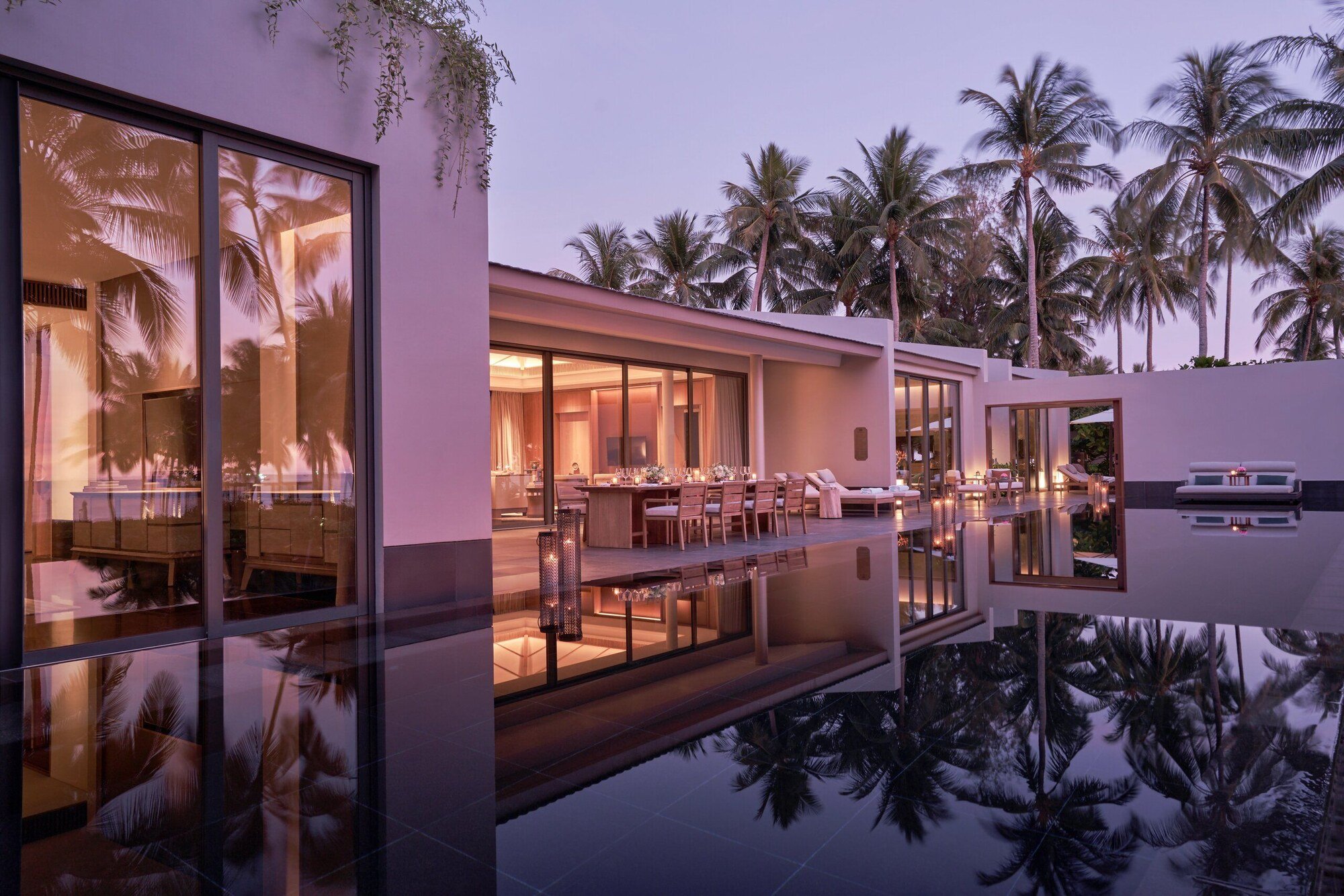
Infinity edges oriented toward water views, beach entries that slope gradually into the water, freeform shapes, cascading water features, resort amenities, and outdoor showers. Materials tend toward lighter tones that echo sand and sea.
Classic Elegance – Northeast, Mid-Atlantic
Popular in: Greenwich, Westchester, The Hamptons, Main Line Philadelphia, Potomac, Princeton, Boston suburbs
Rectangular and Roman-end shapes with bluestone or travertine coping, manicured landscaping, elegant pool houses, and privacy hedges. Understated luxury that complements rather than competes with the home’s architecture.
Resort Backyard – Southeast, Texas
Popular in: Nashville, Charlotte, Atlanta, Dallas, Houston, Austin, Raleigh, Knoxville, Louisville, Birmingham
The pool is just one element of a comprehensive outdoor living environment: attached spas, generous tanning ledges, swim-up bars, full outdoor kitchens, fire pits, and engineered pergola systems. Texas and the Southeast lead the nation in complete outdoor living packages.
Natural Integration – Mountains, Pacific Northwest
Popular in: Denver, Boulder, Aspen, Park City, Seattle, Portland, Lake Tahoe, Asheville, Jackson Hole
Organic freeform shapes echo natural water features. Boulder and rock accents, cascading waterfalls, and native plantings help the pool feel like it grew from the landscape. Heated pools and integrated spas extend the usable season.
Choosing the Right Pool Shape and Size
Pool shape and size decisions should be driven by how you plan to use the pool, the style of your home, and the characteristics of your property.
Rectangle and Geometric
The most versatile shapes in the fiberglass lineup. They complement modern architecture, accommodate lap swimming, lend themselves to formal landscaping, and make the most efficient use of smaller lots.
Freeform
Organic, flowing curves that excel in larger yards, natural settings, and family-oriented designs where different areas serve different purposes. The foundation of tropical and resort-style pool designs.
Roman and Grecian
An elegant middle ground. The curved ends soften the rectangular profile while maintaining symmetry. Pairs beautifully with traditional architecture and transcends passing trends.
Size Guide
| Size | Dimensions | Best For | Gallons |
|---|---|---|---|
| Small | 10×20 to 12×24 | Small yards, plunge pools, couples | 5,000 – 8,000 |
| Medium | 12×24 to 14×30 | Families, versatile all-purpose | 8,000 – 14,000 |
| Large | 14×30 to 16×40 | Entertainment, exercise, large families | 14,000 – 22,000 |
Most families find that a medium-sized pool delivers the best combination of swimming space, manageable maintenance, and reasonable cost.
Pool Features and Enhancements
Modern fiberglass pools offer a range of features that transform a simple swimming pool into a backyard destination.
Tanning Ledges
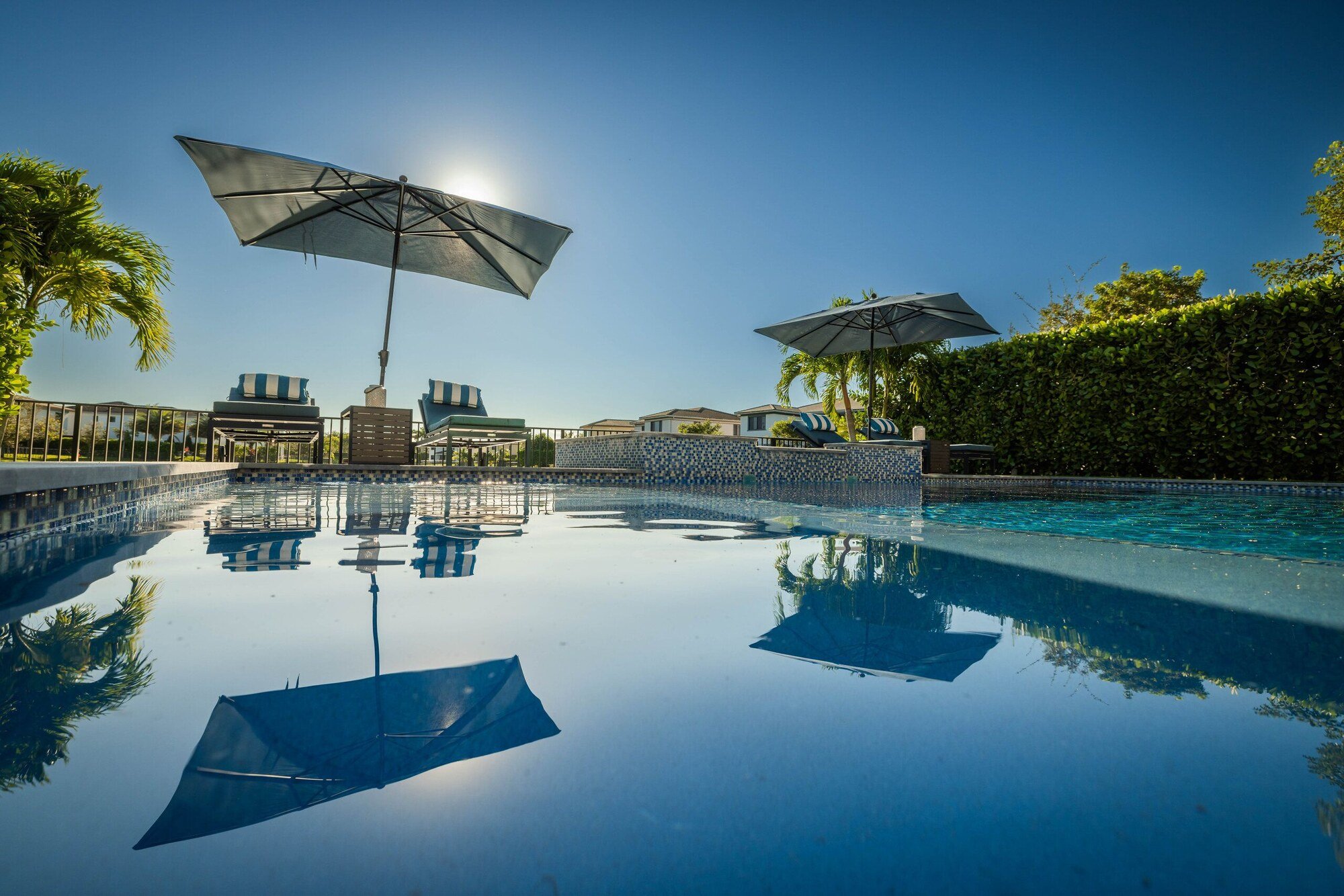
Broad, shallow shelves sitting in 4-6 inches of water. Perfect for sunbathing, supervising young children, or relaxing with a drink while staying cool. The single most requested feature in modern fiberglass pool design.
Integrated Spas
An attached spa extends your pool’s usable season by months. Fiberglass spas heat quickly and retain heat efficiently. In seasonal markets, many homeowners use their spa year-round even when the pool is closed.
Water Features
Options range from simple deck jets and bubblers to elaborate cascading waterfalls and sheer descent sheets of water. The sound of moving water transforms the backyard experience and helps mask neighborhood noise.
LED Lighting
Color-changing LED systems let you shift the pool’s mood from vibrant party colors to subtle romantic hues with a tap on your phone. Energy-efficient, long-lasting, and standard equipment on virtually all new installations.
Pool Automation
Smart systems from Pentair, Hayward, and Jandy put complete control at your fingertips. Manage pump speeds, heater temperatures, lighting, water features, and chemistry from your smartphone.
Outdoor Living Integration
The pool is increasingly just one component of a complete outdoor living environment:
- Outdoor kitchens with built-in grills, refrigerators, and prep areas
- Fire features from simple fire pits to elaborate fire bowls
- Pergola systems for adjustable shade and weather protection
- Professional hardscaping that ties everything together
The Pool Building Process
The fiberglass pool process is straightforward compared to other pool types, and the compressed timeline is one of its greatest advantages.
Timeline: From Contract to Swimming
Weeks 1-2: Design and Permits. Finalize the design, secure permits, and schedule the project. Permit timelines vary from a few days in streamlined markets to several weeks in more regulated areas.
Weeks 2-3: Excavation and Shell Set. Excavation typically takes 1-2 days. The fiberglass shell arrives and is set into place by crane, usually in a single day. Your backyard goes from a hole in the ground to a pool in a matter of hours.
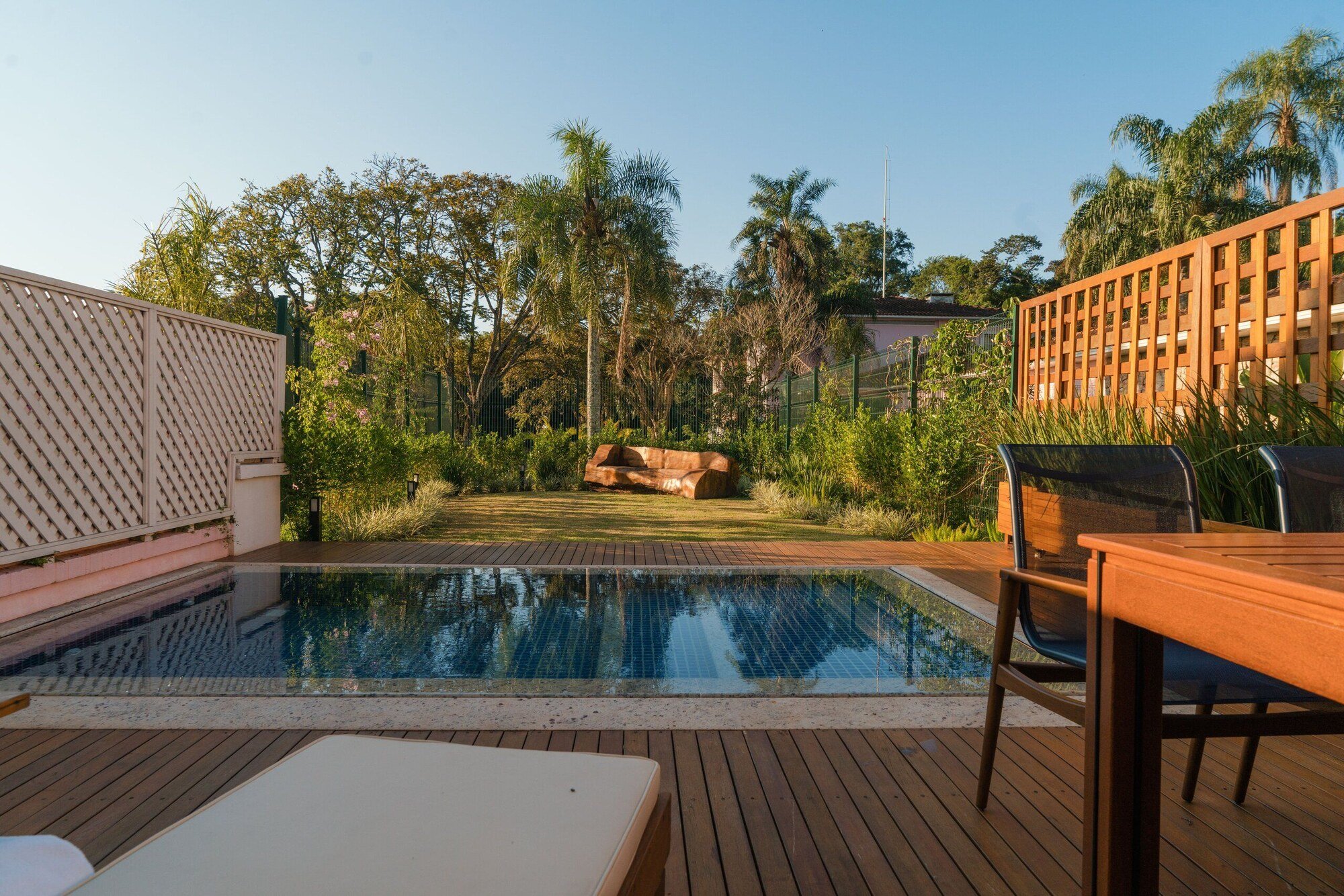
Weeks 3-5: Plumbing, Electrical, and Equipment. Underground plumbing, electrical connections, equipment pad installation. Inspections happen at this phase in most jurisdictions.
Weeks 5-8: Decking, Coping, and Landscaping. Decking is installed around the pool. Coping is set. Landscaping, fencing, and outdoor living elements are completed.
Weeks 8-12: Fill, Startup, and Swim. Pool is filled, water chemistry balanced, equipment commissioned, and your builder walks you through everything.
Fiberglass vs. Concrete: Total fiberglass timeline is 6-12 weeks. Concrete pools take 3-6 months or longer. In northern markets with short building seasons, fiberglass often means the difference between swimming this year and waiting until next.
Maintenance by Climate
Pool maintenance varies by climate, but fiberglass pools demand less work in every environment compared to concrete.
Year-Round Warm Climates (FL, AZ, SoCal, TX Gulf Coast, HI)
- Weekly brushing, skimming, and basket cleaning
- Chemical testing and adjustment 2-3 times per week
- Filter cleaning every 2-4 weeks
- Annual equipment inspection
- Budget: $100-$200/month professional, or $50-$100/month DIY
Seasonal Climates (Northeast, Midwest, Mountains)
- Same weekly maintenance during pool season
- Professional spring opening: $300-$600
- Professional fall closing: $300-$600
- Minimal cover maintenance through winter
Why Fiberglass Requires Less Maintenance
The non-porous gelcoat surface does not harbor algae the way concrete’s rough plaster does. This drives the 50-70% reduction in chemical use. Beyond chemicals, fiberglass eliminates expensive cyclical maintenance:
- No acid washing every 3-5 years
- No replastering every 10-15 years
- No tile line replacement
- No liner replacements (which vinyl owners face every 7-12 years)
Over a 10-year period, fiberglass pool owners typically save $15,000-$30,000 compared to concrete pool owners.
Financing Your Pool
A fiberglass pool is a significant investment, and most homeowners benefit from understanding the full range of financing options available.
Home Equity Loans and HELOCs
The lowest rates available for pool financing, typically 6-9%. Interest may be tax-deductible since the pool qualifies as a home improvement. Requires sufficient home equity. Timeline from application to funding is typically 2-4 weeks.
Pool-Specific Financing
Unsecured loans through specialized pool financing companies like Lyon Financial, Viking Capital, and HFS Financial. No home equity required, faster approval (often within days), but higher rates at 10-15%. Terms generally range from 7-15 years.
Cash-Out Refinance
Replace your existing mortgage with a new, larger mortgage and use the difference for your pool. Makes the most sense when current mortgage rates are favorable relative to your existing rate.
ROI Considerations
In warm-weather states (Florida, Arizona, California, Texas), a well-designed pool typically adds 5-8% to home value. In seasonal markets, the increase runs 2-4%. The lifestyle value – family memories, daily stress relief, entertaining capability – extends far beyond the financial return.
Why ModernX Pools
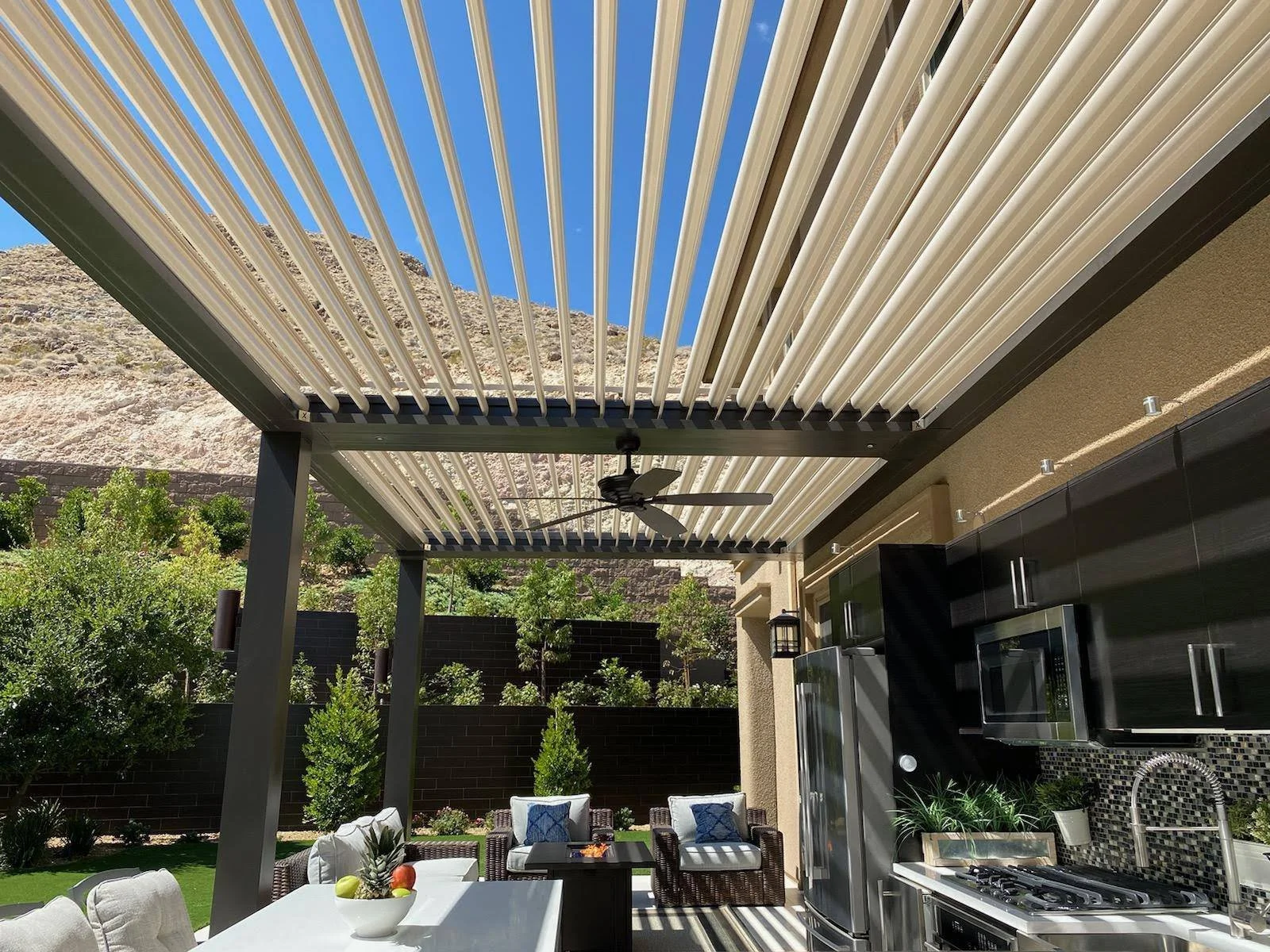
Choosing the right pool builder is as important as choosing the right pool. ModernX Pools brings a design-first philosophy to every project, beginning with how you want your outdoor living space to look and feel.
- Design-first approach – Every project starts with understanding how you will actually use your space
- Fiberglass expertise – Deep knowledge across diverse American climates and soil conditions
- Complete outdoor living – Pools, spas, pergolas, outdoor kitchens, fire features, and hardscaping from one team
- Nationwide service – From Phoenix to Boston, Miami to Seattle, Nashville to Los Angeles
- Quality standards – Industry-leading warranties and premium materials
Related Reading
- The Best Pool Design Trends You Really Need in 2025
- How to Create Your Dream Backyard Pool You Really Want
- The Ultimate Pool Buying Guide You Really Need Now
- Simple Pool Maintenance Tips You Need to Know Now
- How to Know Which Pool Shapes Are Really Best for You
- Best Pool Materials You Need to Know About Now
- Pool Permits and HOA Approvals You Need to Know Now
- Best Pool Financing Options You Need to Know Now
- How to Make Your Pool Safety the Best for Family
- The Best Health Benefits of a Pool You Need to Know